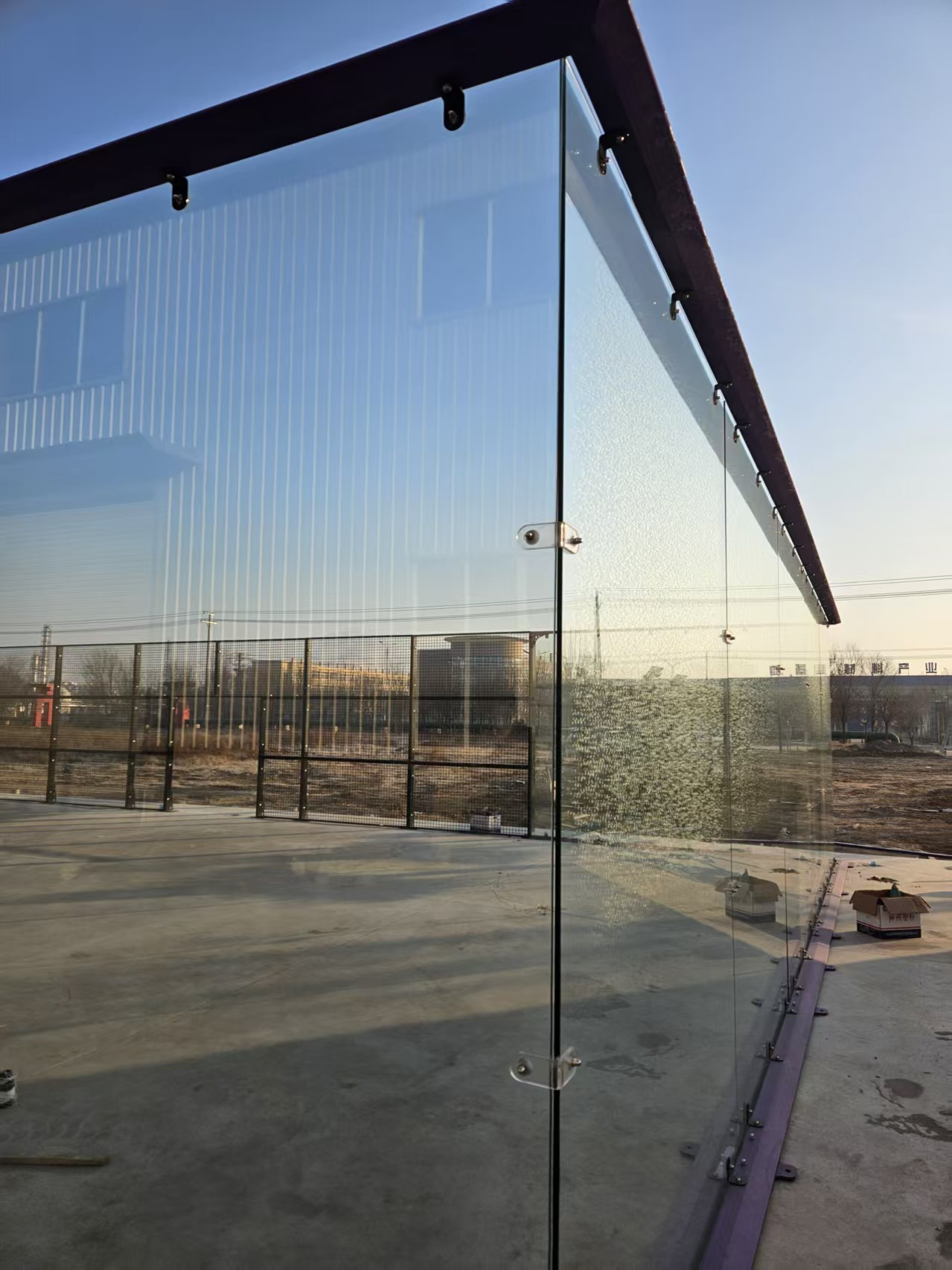
By standing firmly in the client’s shoes, we moved beyond price comparison to conduct a “molecular-level” audit of the suppliers. Here is the blueprint of how we filtered the noise to find a true manufacturing partner.
Structural Auditing: Rejecting the “Anchor Myth”
During the technical review, one supplier submitted drawings for a 200 x 200 mm baseplate—a significant red flag compared to the high-performance standard of 300 x 300 mm. When challenged, they argued that “chemical anchors with liquid reinforcement” would compensate for the small footprint.
Material Auditing: Root-Causing “Turf Failure”
The end-user’s primary fear was turf peeling and shedding after a few seasons. To solve this, we ignored generic marketing brochures and audited the chemistry:
We upgraded the industry-standard SBR (Latex) to PU (Polyurethane) backing. PU is non-hydrolytic (it won’t rot in standing water) and offers a tuft-lock strength 50% higher than SBR.
We rejected the common 3,000-hour UV test. Instead, we demanded compliance with the ET1807161101 standard, which requires 5,000 hours of UVA exposure with a Gray Scale rating of 4-5 (virtually zero fading).
We required video proof of pull-out force tests, ensuring a minimum of 8.4N per fiber.
Manufacturing Auditing: Seeking Consistency in the “Details”
Human error is the enemy of an 8-court installation. We prioritized suppliers who integrated Systemic Quality Control:
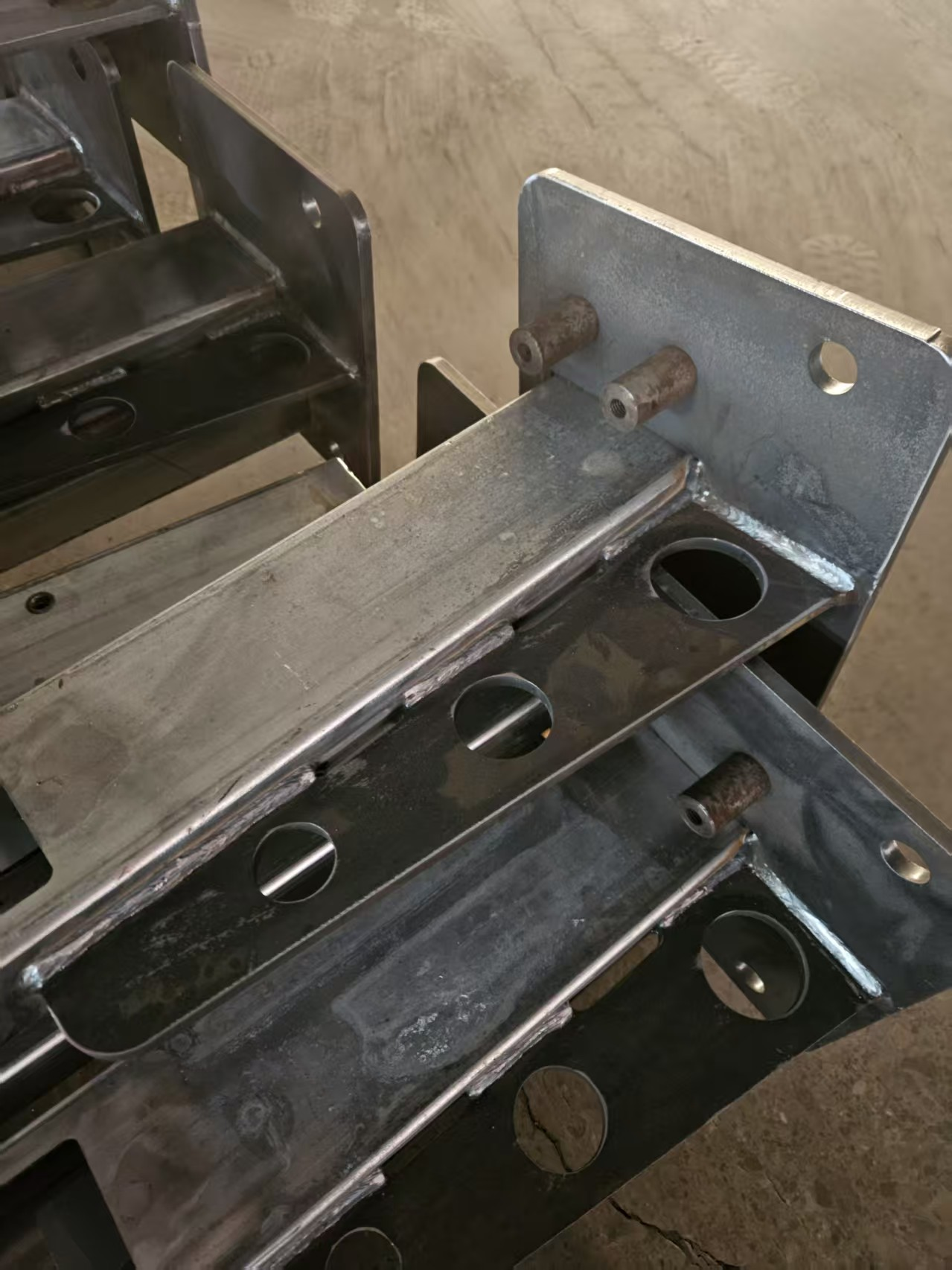
We vetted for Robotic Welding and Laser Cutting to ensure every one of the thousands of bolt holes aligned perfectly.
We checked for sealed crossbeam ends and square drainage holes in the baseplates. These prevent internal rusting—a detail that differentiates a 3-year product from a 15-year asset.
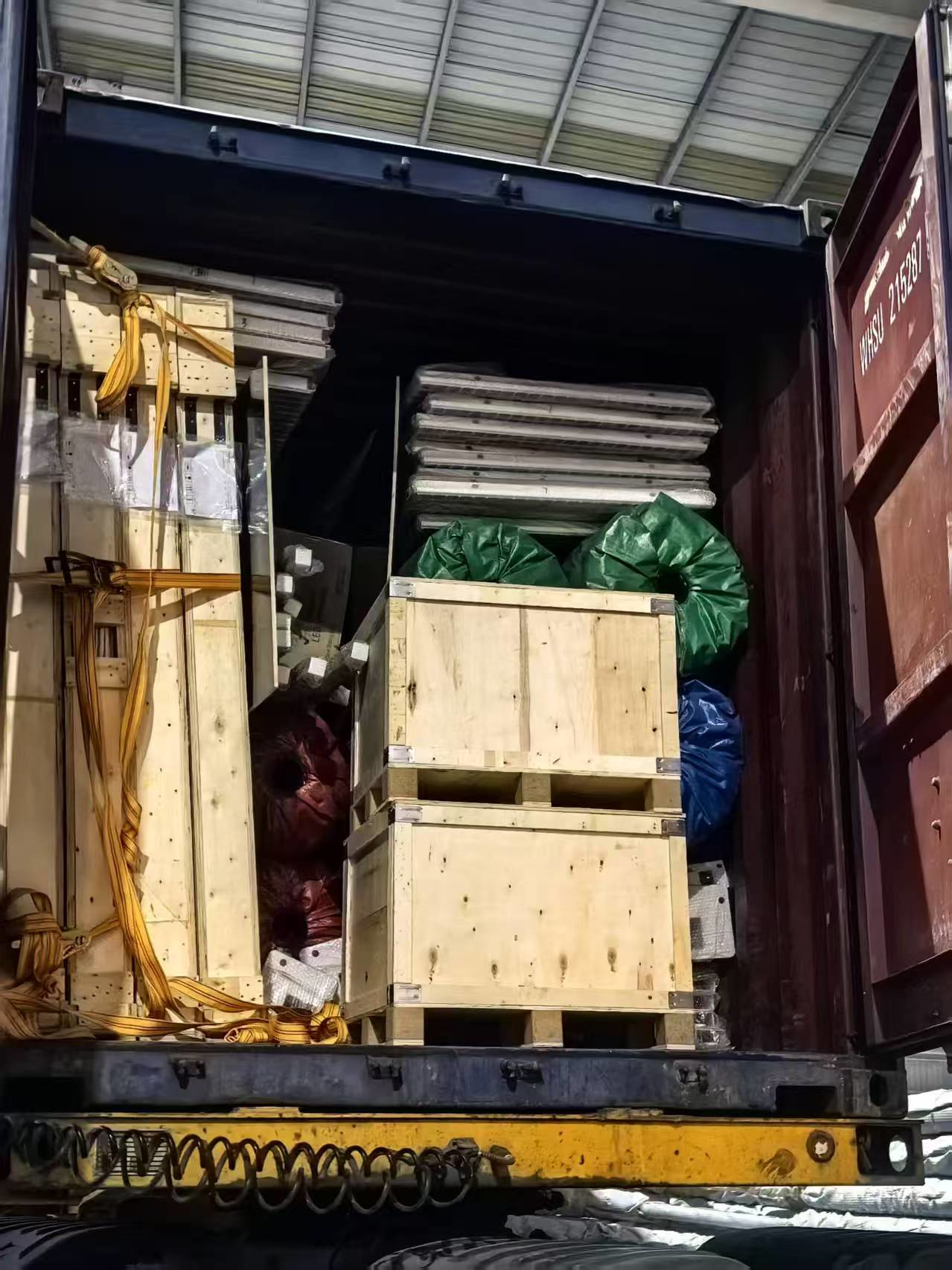
We mandated a full-frame pre-assembly at the factory to verify tolerances before shipping.
Logistics Auditing: Error-Proofing the Job Site
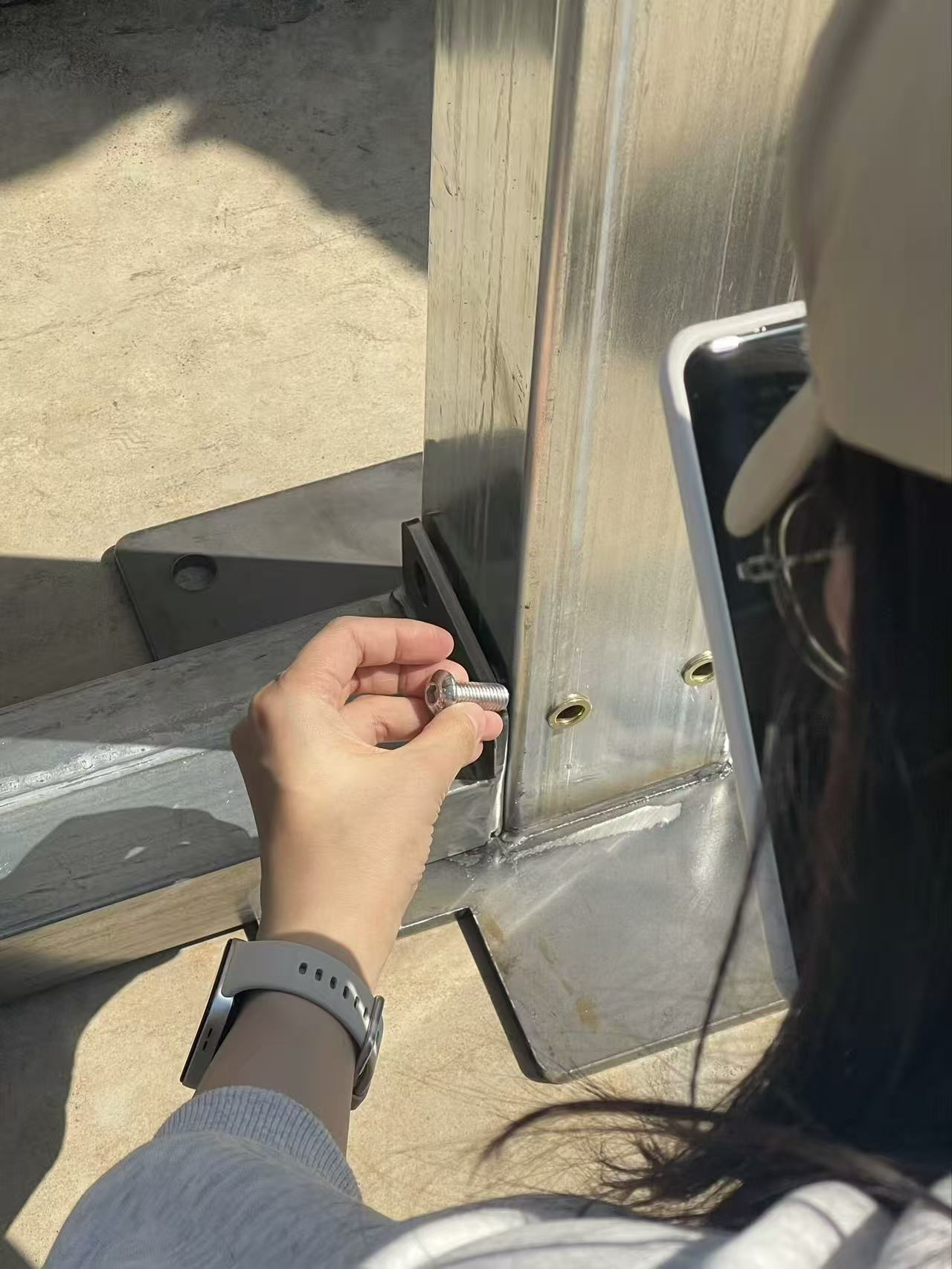
A sourcer’s job doesn’t end at the factory gate; it ends when the last glass panel is bolted in. To avoid chaos on-site, we mandated a visual management system:
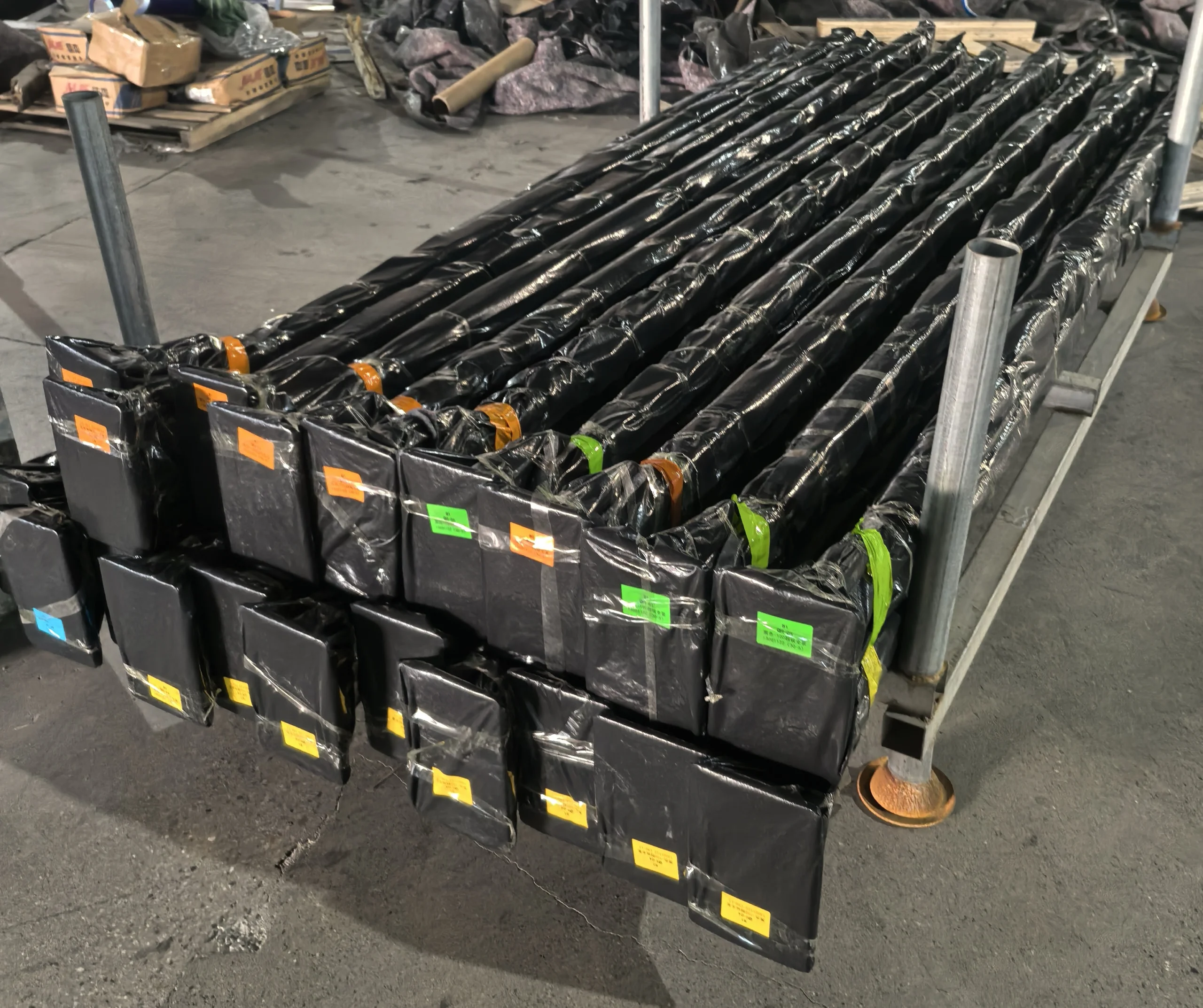
We required color-coded kits and individual shipping marks for each of the 8 courts to prevent part-mixing on a chaotic construction site.
Recognizing the customs risks associated with exporting liquid adhesives, we advised the client to source brand-name glue (like Mapei) locally in the UK, while using the factory’s high-spec adhesive data for technical matching.
The Sourcing Professional’s Master Checklist
| Dimension | Critical Universal Audit Point |
|---|---|
| Engineering | Is the baseplate footprint sufficient for the lateral load, or are they over-relying on anchors? |
| Chemistry | Is the backing material (e.g., PU vs. SBR) resistant to the specific local climate? |
| Aging | Does the UV test duration (5,000 hrs) reflect a 10-year lifespan in high-exposure areas? |
| Automation | Does the factory use robotics to eliminate human fatigue in high-volume welding? |
| Logistics | Are there color-coded marks and “site-ready” packaging to minimize labor errors? |